
COMPREHENSIVE | UP-TO-DATE | REVIEWED
Explore our site to find valuable resources, cutting-edge research, and breaking news on the gender equality dimensions of HIV and AIDS. This site aims to promote understanding, knowledge sharing and action on the gender-based inequalities propelling the HIV epidemic.
Featured
Image
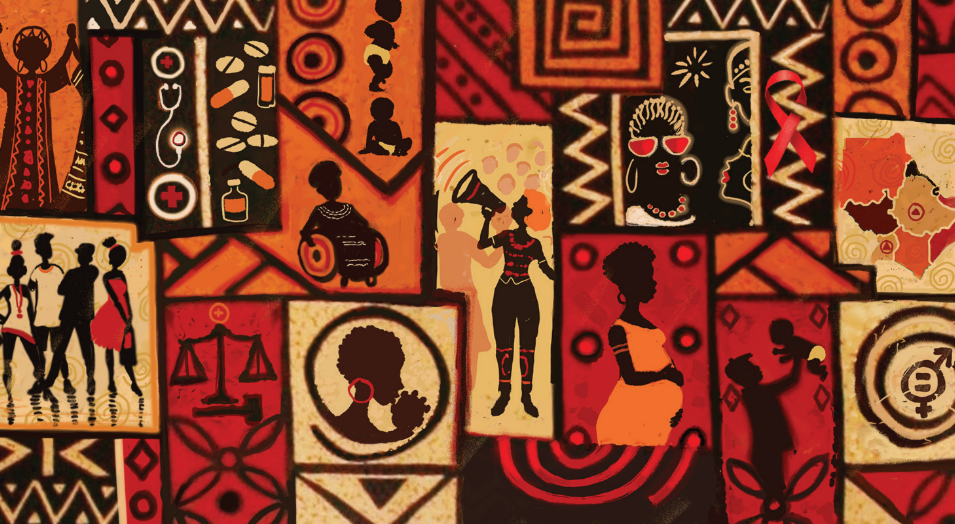
POWER - Program On Women’s Empowerment in Sexual, Reproductive, Maternal, Newborn, Child and Adolescent Health (SRMNCAH) rights in humanitarian settings in the Horn of Africa Region
UN Women's Programme on Women's Empowerment in Sexual, Reproductive, Maternal, Newborn, Child, and Adolescent Health rights in humanitarian settings in the Horn of Africa Region (POWER), supported by the Austrian Development Agency, addressed gender equality and women’s empowerment as central to women’s enjoyment of their rights to health services.
Women's Stories
Image
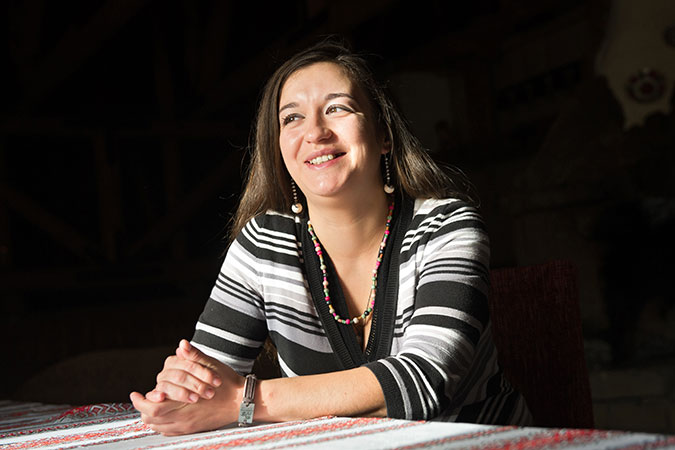
Living with HIV and Violence: Women of Ukraine Speak Out and Build Solidarity
In Ukraine, peer-support groups and the National Women’s Forum on HIV is bringing awareness, action and new beginnings for women survivors of violence living with HIV.
In the News
Image
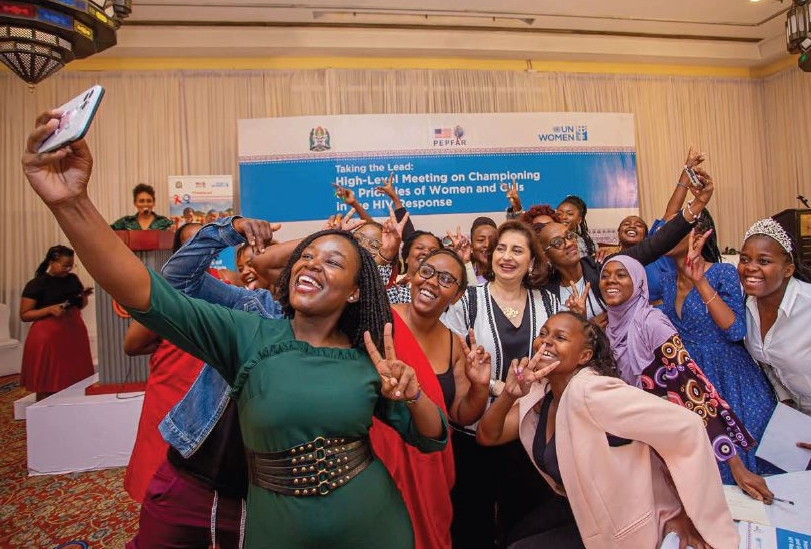
Investing in adolescent girls’ and young women’s leadership and voice in the HIV response: Case studies and experiences
Adolescent girls and young women are the linchpin to ending AIDS. This new publication focuses on results of the UN Women-PEPFAR Partnership, Investing in Adolescent Girls and Young Women’s Leadership and Voice in the HIV Response, and includes herstories of five young women leaders from Tanzania, Botswana, Zimbabwe, Kenya, and Cameroon.